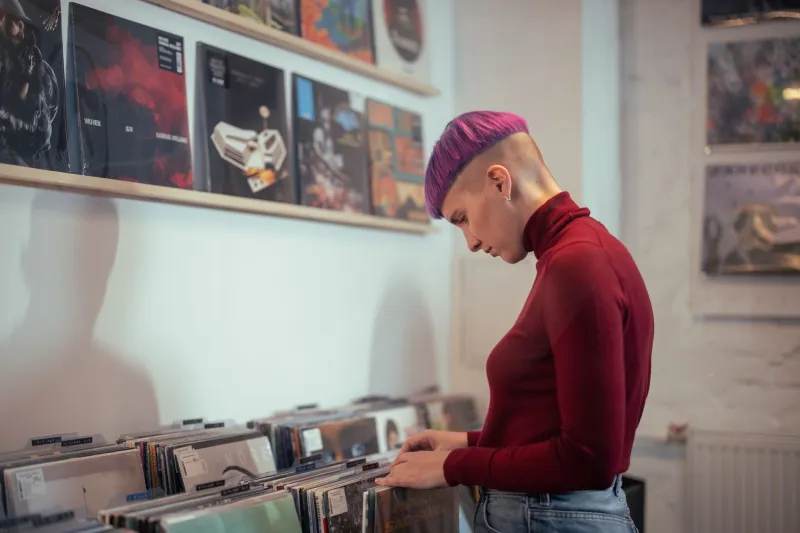
Keeper of the Lore: The Friend Who Remembers Everything Is Doing Real Work
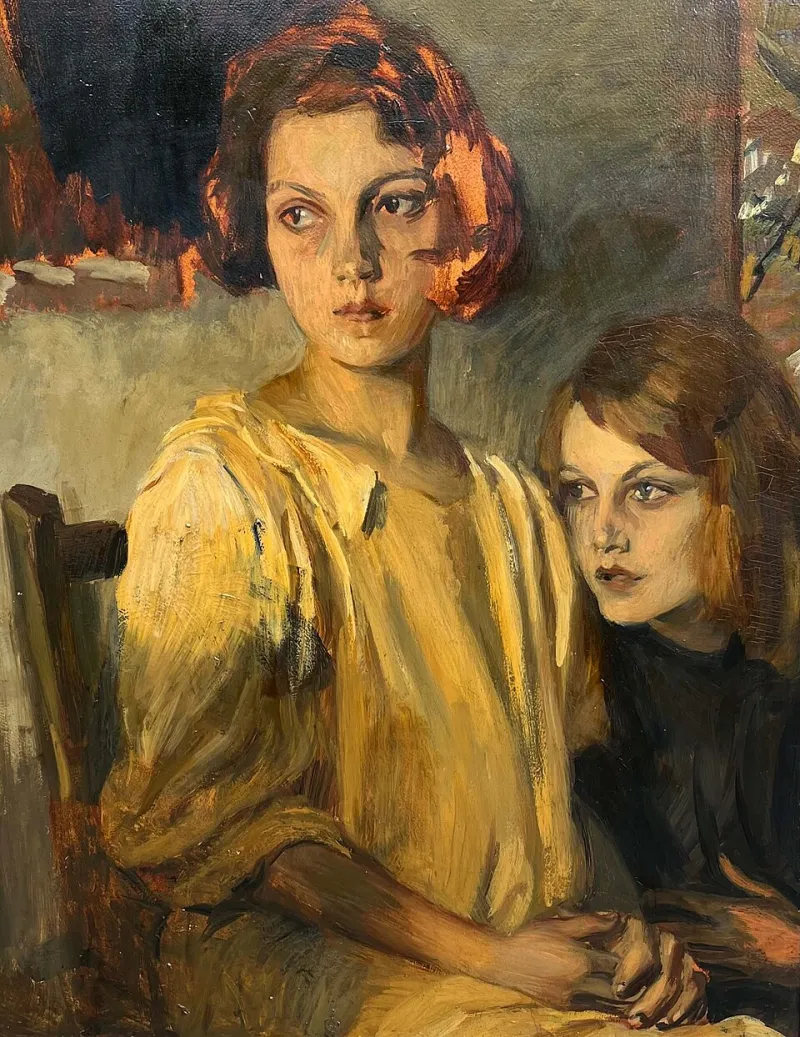
Photo: Ettore Tito, Public domain, via Wikimedia Commons
Every friend group has one. The person who remembers the exact summer of the lake house trip. The person who can quote the inside joke from three years ago with the correct inflection. The person who knows the group anniversary — yes, the day you all met at that one party — and actually puts it in the calendar.
We call them the historian. They're not the loudest person in the group or the one who plans every dinner. They're the one who keeps the archive. And in 2026, when group chats vanish into the scroll and photo dumps live on someone's camera roll until they run out of storage, that role is more important than ever.
The Job Nobody Applied For
Nobody asks to become the historian. It happens by accident. You're the one who screenshots the funny texts. You're the one who saves the group photos instead of letting them disappear into a story. You're the one who says, 'Wait, wasn't that the same night we drove to the beach at 2 a.m.?' and everyone else says, 'Was that this year or last year?'
It sounds small. It isn't. Social memory is a form of community labor, and it's chronically undervalued. We celebrate the person who books the Airbnb and the person who makes the playlist. We rarely celebrate the person who remembers why those things mattered.
Memory Is a Group Project
The historian isn't just keeping receipts. They're maintaining a shared identity. A friend group is a tiny culture, and cultures survive through stories. The historian is the one who says, 'Remember when we were the kind of people who did this?' That reminder does something quiet but powerful: it gives the group a sense of continuity.
It also prevents revisionist history. Every friend group has its myths — the vacation that was actually a disaster, the fight that nobody wants to talk about, the phase when everyone was obsessed with a specific band. The historian keeps the record honest, even when the record is embarrassing. That's not nostalgia. That's civic duty with better anecdotes.
The Burnout Is Real
Here's the problem: the historian role usually defaults to one person. And that one person ends up carrying the emotional weight of the group's entire timeline. They're the one who remembers birthdays, anniversaries, and the details of other people's lives. They're the one who sends the photo dump. They're the one who says, 'We should do this again' and actually means it.
That's a lot of invisible labor. And it's not fair to let one friend become the unofficial HR department of your social life. The historian can burn out just like anyone else — usually quietly, usually after one too many 'Wait, what happened to that place?' questions.
How to Share the Archive
So here's the move for 2026: make social memory a shared responsibility. You don't need a formal system. You just need to pay attention.
If you're the historian, start delegating. Ask someone else to own the photo album for a season. Tell your friends when you're tired of being the only one who remembers stuff. It's not a complaint; it's a boundary.
If you're not the historian, step up. Save the group photos. Write down the inside jokes. Remember the anniversary without being reminded. Send the text that says, 'This reminded me of that time we ...' You don't have to be the keeper of the lore, but you can at least be a co-author.
The point isn't to make everyone equally nostalgic. The point is to recognize that the friend who remembers everything is doing real work — and to make sure they get to enjoy the memories too, instead of just maintaining them for everyone else.