The Obsessive Advantage: Why Going Deep on Something Weird Is Actually Your Biggest Opportunity
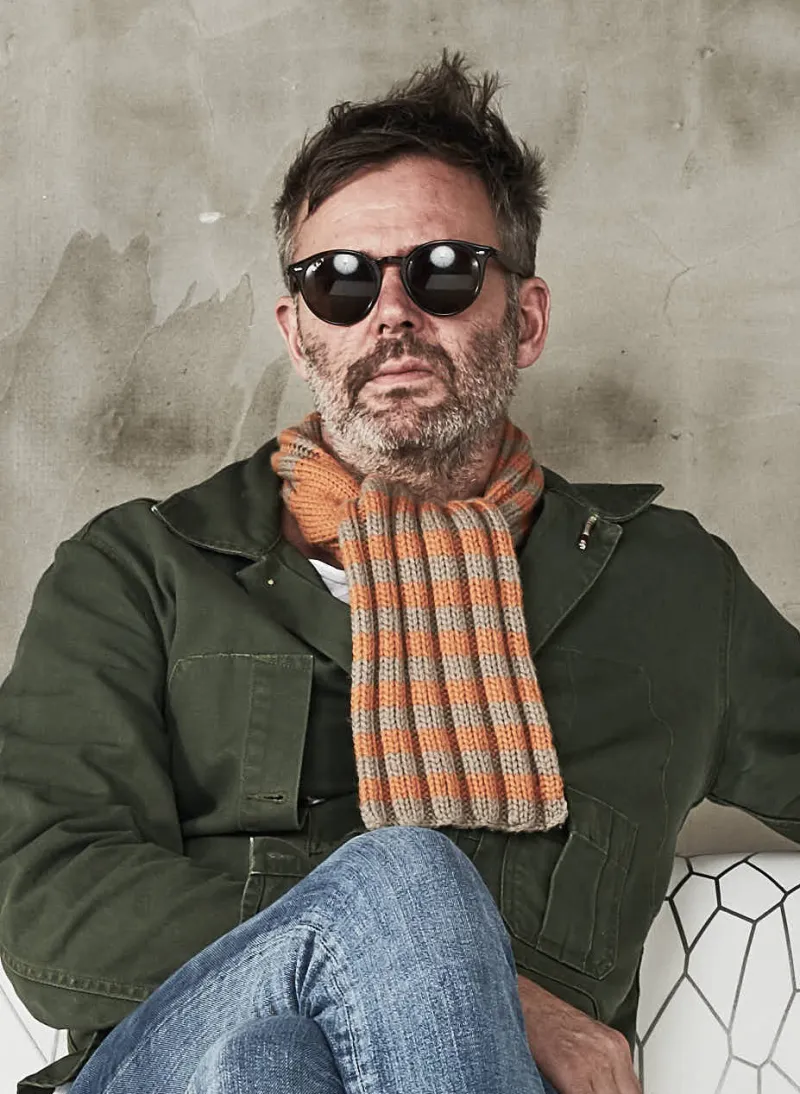
Photo: Gallery All, CC BY-SA 4.0, via Wikimedia Commons
At some point, probably in middle school, someone told you to broaden your interests. Be well-rounded. Don't be too into one thing. The advice was meant to make you more relatable, more hireable, more socially palatable.
That advice is aging terribly.
Right now, across every corner of the internet and in communities from Austin to Detroit to Portland, the people winning — culturally, financially, socially — are the ones who went the other direction entirely. They got weird. They got specific. They became the person who knows everything about one very particular thing, and they built something real around it.
Niche taste isn't just cool right now. It's currency.
The Death of the Generalist
For a long time, the cultural ideal was the person who could talk to anyone about anything. A little music knowledge here, some sports awareness there, a passing familiarity with whatever was trending. Being broadly informed felt like a social superpower.
But the internet — and specifically, the algorithm — changed the math on that. When everyone has access to the same surface-level information, surface-level knowledge stops being impressive. What stands out now is depth. Specificity. The person who doesn't just know about jazz — they know about the specific Chicago post-bop scene of the late '60s and can tell you exactly which recordings to start with.
That level of knowing something is rare, and rare things have value.
Underground Obsessions as Cultural Capital
Cultural capital — the social value that comes from taste, knowledge, and aesthetic sensibility — has always existed. But it used to flow in one direction: from mainstream gatekeepers outward. Critics, magazines, radio stations, and tastemakers at major labels decided what was worth knowing about, and everyone else followed.
That system has been slowly dismantled. The gatekeepers still exist, but they have a lot less power than they used to. Today, cultural credibility is built from the bottom up — from the person who's been posting about a micro-genre before it had a Wikipedia page, or the foodie who was talking about a specific chef's pop-up dinners two years before the New York Times got around to it.
Being early and being specific are the new markers of taste. And people notice.
From Passion to Platform to Paycheck
Here's where it gets interesting: niche knowledge isn't just socially valuable. It's increasingly economically valuable, too.
Take the example of someone who's deeply into a very specific category — say, vintage Japanese denim. A few years ago, that was a niche obsession shared by a small, passionate group. Now, there are creators with tens of thousands of followers building entire content businesses around it. They're not just sharing information — they're running affiliate programs, consulting for brands, reselling curated pieces, and hosting community events. Their expertise became their brand.
This pattern is showing up everywhere. The person who knows every indie perfume house and can break down the notes in a bottle with genuine authority. The sneakerhead who specializes in one specific brand's archive, not the whole market. The home cook who went deep on one regional cuisine and built a Substack around it that now has a paid subscriber base.
The common thread isn't a big audience — it's genuine obsession paired with the willingness to share it consistently. Authenticity at that level of specificity is almost impossible to fake, and audiences can tell the difference.
Why Niche Communities Are Where Things Actually Happen
Mainstream culture has always borrowed from the underground. Streetwear, trap music, natural wine, sourdough bread — all of these started as niche obsessions within small communities before they became mass-market phenomena. The people who were there first didn't just get bragging rights. They got influence.
Right now, some of the most culturally generative spaces online are micro-communities: Discord servers for specific music subgenres, subreddits dedicated to hyperlocal restaurant scenes, TikTok pockets where people obsess over a particular era of cinema or a specific style of ceramics. These aren't fringe spaces. They're incubators. The things that feel niche today have a solid track record of becoming the things everyone's talking about in two years.
Being embedded in one of these communities — genuinely embedded, not just lurking — puts you at the front of that wave.
The Authenticity Factor
There's a reason brands are increasingly looking to micro-influencers and community insiders rather than celebrities with massive followings: trust. A person with 8,000 followers who are all deeply into the same thing they're deeply into carries more weight with that audience than a mega-influencer with millions of casual followers who barely know what they're promoting.
Authenticity isn't a buzzword here — it's the actual mechanism. When your interest is genuine and your knowledge is real, it shows. People can feel the difference between someone who discovered something last week because it's trending and someone who's been living it for three years. That depth of engagement creates a different kind of relationship between creator and audience, and that relationship is where real influence lives.
So What's Your Thing?
Most people have at least one area where they go deeper than anyone around them. The problem is they've been trained to treat it as a quirk rather than an asset — something to mention apologetically in conversation rather than build around.
Flip that. The specificity of your interest isn't what limits your audience. It's what defines it. A focused, genuine passion attracts the exact right people — the ones who get it, who want to go deeper with you, who will share your work because it says something they couldn't articulate themselves.
You don't need to be into everything. You need to be really, genuinely into something. And then you need to stop keeping it to yourself.
The weird thing you love? It's not a liability. It might be the most valuable thing about you.