Twenty Bucks, Full Night: The New Math of Going Out
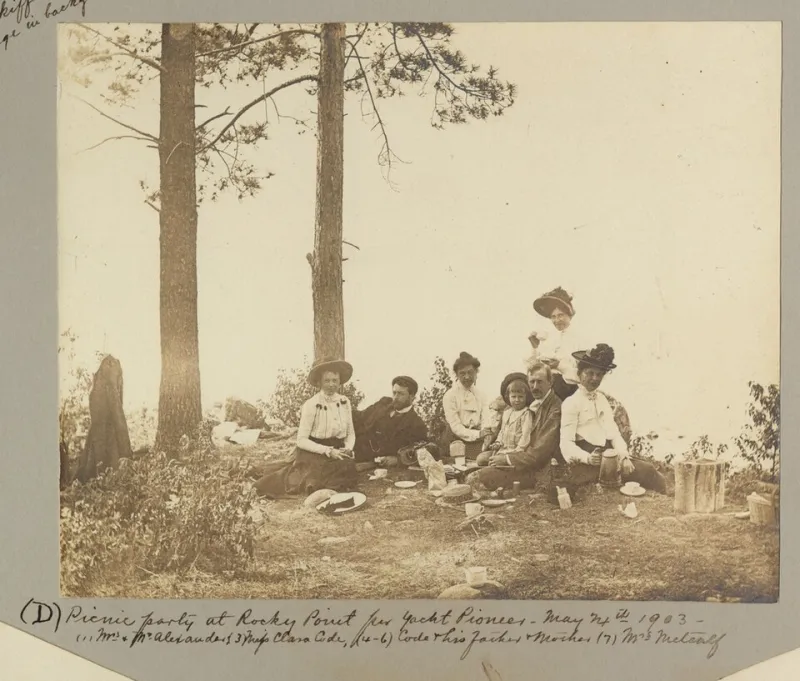
Photo: Edwin Lester Brittain, CC BY-SA 4.0, via Wikimedia Commons
There used to be a math that defined a good night out: the more you spent, the better the story. Two rounds, a plate of something shareable, a rideshare split three ways, and a number at the end that stung a little in the morning. The sting was part of the ritual. It meant it counted.
That math doesn't work anymore, and not just because everything costs more. Somewhere in the last couple of years the flex quietly flipped. In 2026, the person with the twenty-dollar night isn't the one who couldn't afford the hundred-dollar night. They're the one who figured out the hundred-dollar night was mostly overhead.
The Receipt Nobody Wanted to Look At
Do the math on a standard dinner-and-drinks plan in any US city. Two drinks at a place with a good playlist: thirty-six dollars before tip. A shareable plate to make the drinks feel responsible: eighteen. Parking or a rideshare round trip: twenty-two. You're at ninety bucks and you haven't done anything memorable — you've rented a table for two hours.
Meanwhile the same group can spend eighteen dollars on a grocery run and end up on someone's floor at eleven, arguing about whether the frozen mac and cheese beats the boxed kind. That's the night someone brings up at brunch three weeks later.
Cheap Is Not the Same as Sad
The old stigma was real. Suggesting a low-cost plan used to read as suggesting a lesser plan, like you were downgrading the friendship. That association has mostly collapsed, and the reason is generational arithmetic. Rent is rent. Student loans are student loans. Nobody under forty is weighing a ninety-dollar night against a twenty-dollar night and picking the expensive one out of pride.
What changed is the framing. Cheap plans stopped being a substitute for the real thing and became the real thing. A park loop at golden hour with a coffee from the corner store is not the budget version of dinner out. It beats dinner out about half the time — and it always beats dinner out when you're trying to keep a group of six in an actual routine.
Why Low-Cost Plans Last Longer
The underrated argument here isn't money. It's frequency.
An expensive plan is a special-occasion plan. You can pull it off monthly, maybe. A cheap plan is a Tuesday plan. You can do it next week, and the week after that, and it doesn't require anyone to save up or check a balance first. Friendships are built out of frequency, not intensity. The people you're closest to aren't the ones you've had the most expensive dinners with. They're the ones you've seen the most.
There's a second argument too: cheaper plans have fewer parts, so they get canceled less. A reservation requires a reservation. A park requires a park.
The Etiquette of the Cheap Hang
Going low-cost has its own unspoken rules, and ignoring them is how you end up looking cheap instead of chill.
- Split the groceries, don't just eat them. Whoever hosts shouldn't be subsidizing the group.
- Rotate the venue. If one apartment is always the spot, someone else needs to volunteer eventually.
- Don't apologize for the plan. Nobody wants to hear three times that you're sorry it isn't a real night out. It is one.
- Bring one good thing. A four-dollar bottle of hot sauce, a bag of frozen dumplings, a card game. Contributions count for more than cash.
Actual Plans That Cost Less Than a Round of Cocktails
A round for four is roughly sixty dollars in most US cities now. Here's what fits under that, per person, all in:
- The grocery-store picnic. Bread, cheese, fruit, a cheap bottle, a blanket in the park. About twelve dollars a head.
- The discount movie. Plenty of chains still run five-dollar Tuesdays. Add candy from the drugstore on the way in and you're at eleven.
- Library night. Free film screenings, book clubs, and a six-dollar coffee afterward. Total: six dollars.
- The laundromat hang. Not a joke. Two friends, one load, one folding table, one burrito split down the middle.
- The open mic. Usually free, usually bad, usually hilarious. One eight-dollar beer replaces the two-drink minimum.
- The parking lot. Nowhere to be, nothing to buy, four people in one car.
- The community-center class. Pottery, salsa, pickleball. Many run around fifteen dollars a session.
None of these are compromises. They're plans with better ratios — more hours per dollar, more conversation per dollar.
What You Were Actually Paying For
Strip it back and the expensive night out was mostly paying for atmosphere: the lighting, the music, the being-out-ness of it all. That's not nothing. Sometimes you want to be somewhere that isn't your apartment, and thirty dollars in drinks is the admission fee.
But the admission fee stopped being the point. The point is the four hours. The point is who's there. The point is that it happened at all, on a Wednesday, without anyone needing to do math first.
Twenty bucks and a full night is just a better deal than what we were doing before. It took a while for anyone to say it out loud.