Unfollow Without Apology: How Cleaning Up Your Feed Became the New Self-Care
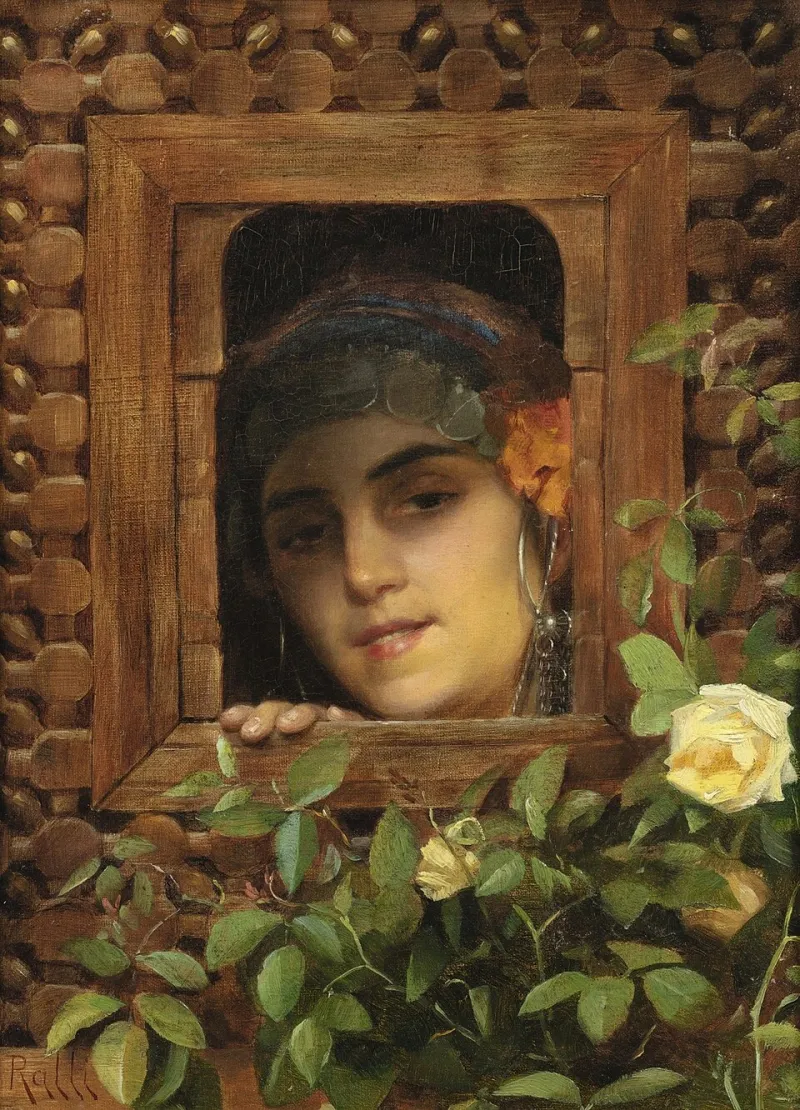
Photo: Théodore Ralli, Public domain, via Wikimedia Commons
Somewhere between the third gym transformation post and the fifteenth "soft life" aesthetic reel you didn't ask for, something clicks. You put your phone down, stare at the ceiling, and wonder why scrolling feels like a chore. The answer? Your feed is cluttered with people, brands, and vibes that have nothing to do with who you actually are right now.
The good news: there's a fix. And it's free. It's called the strategic unfollow — and a whole generation has quietly turned it into an art form.
Your Feed Is a Reflection of Your Headspace
Here's a truth that doesn't get said enough: what you consume online shapes how you feel about your own life. That's not dramatic — it's just how brains work. When your timeline is stacked with content that makes you feel behind, inadequate, or just plain bored, you're essentially choosing to start your morning in a low-key bad mood.
Gen Z caught onto this early. Growing up as the first generation to have social media baked into their adolescence, they've had a front-row seat to both the highs and the very real lows of constant digital connection. And a lot of them have quietly decided: this isn't working.
The strategic unfollow isn't about being antisocial or dramatic. It's about being intentional. It's asking yourself, does this account add something to my day, or does it just take up space? And then — here's the part that used to feel scary — actually doing something about the answer.
FOMO Used to Run the Show
For a long time, the fear of missing out kept people locked into feeds they didn't even enjoy. Unfollowing someone felt loaded — like you were making a statement, starting drama, or cutting someone off. So instead, people just kept scrolling through content that drained them, because at least they were in the loop.
But that logic is starting to crack. Being "in the loop" on everything means being deeply connected to nothing. When your feed is a hundred different voices, aesthetics, and lifestyles all competing for your attention, you end up feeling scattered rather than informed. FOMO kept us subscribed to feeds that weren't serving us. And slowly, Gen Z started unsubscribing.
The cultural shift here is real. Where older generations might have felt social pressure to maintain every digital connection they'd ever made, younger users are treating their follow lists the same way they treat their closets — seasonal edits, no guilt, keep what fits.
Muting Is the Polite Power Move
Not every situation calls for a full unfollow, and that's where the mute button comes in clutch. Maybe it's a coworker whose posts are just a little too much. Maybe it's a family member you love in real life but whose online presence makes your eye twitch. The mute is a quiet, clean solution that doesn't require a conversation or an explanation.
This is part of what makes the whole approach feel so distinctly now. It's not about calling people out or making a big declaration. It's about privately adjusting your environment so it works for you. No announcement, no subtweeting, no drama. Just a lighter feed and a better morning.
There's something genuinely confident about that. It says: I know what I need, and I'm not going to wait for permission to get it.
What a Curated Feed Actually Feels Like
Ask anyone who's done a serious feed audit and they'll tell you — the difference is immediate. When you strip away the accounts that were adding noise, what's left actually resonates. You start seeing things that make you laugh, think, or feel inspired instead of inadequate. Scrolling shifts from a mindless stress habit to something that occasionally feels, well, good.
This is the psychological payoff that mental health researchers have been pointing to for years. Reducing social comparison — seeing fewer highlight reels from people you're unconsciously measuring yourself against — genuinely lowers anxiety. When your feed reflects your actual interests and actual community, it stops feeling like a performance space and starts feeling like a real one.
The Quiet Confidence of Choosing What You See
There's a bigger idea underneath all of this, and it's about agency. So much of modern life feels like it's happening to you — algorithms, ads, trending topics, news cycles. Your feed is one of the few spaces where you actually have control. Using that control intentionally is a form of self-respect.
The people who've figured this out aren't announcing it. They're not posting about their "digital detox" or making content about how they unfollowed 300 people. They just... did it. And moved on. That quiet, unbothered energy is part of what makes it feel like a genuine cultural shift rather than a trend.
Curating your feed is essentially telling the internet: I get to decide what gets my attention. In a landscape designed to grab and hold you at all costs, that's actually a radical stance.
How to Start Your Own Feed Audit
If your timeline is overdue for a refresh, here's how to approach it without overthinking:
- Scroll with intention for one week. Every time you see a post and feel even slightly worse after viewing it, note the account.
- Ask one question: Does this account make me feel curious, entertained, or connected — or does it make me feel compared, stressed, or bored?
- Use the mute liberally. You don't have to unfollow everyone. Sometimes a mute is the right call.
- Follow new voices. The goal isn't just subtraction. Actively seek out creators, communities, and accounts that reflect who you are and what you care about.
- Don't explain yourself. You don't owe anyone a reason for unfollowing. It's your feed.
The internet isn't going anywhere. But the version of it that you interact with every single day? That part's yours to shape. And shaping it on your own terms — calmly, deliberately, without making it a whole thing — might just be one of the most genuinely self-caring things you can do.