Trying This Hard Not to Try: The Exhausting Truth Behind the Effortless Aesthetic
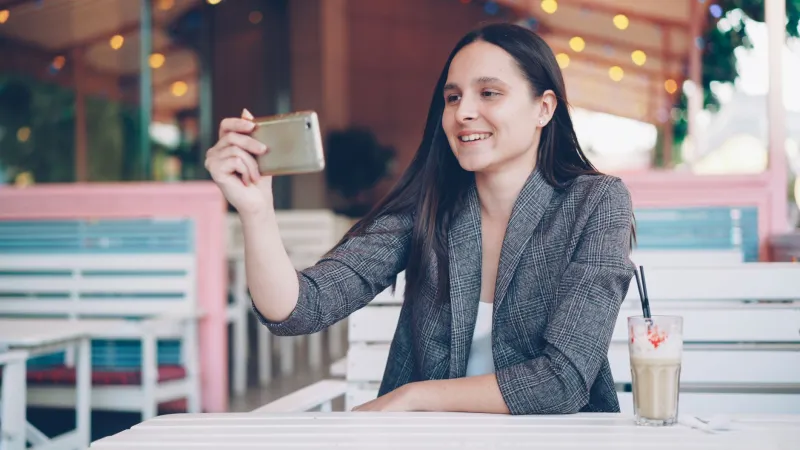
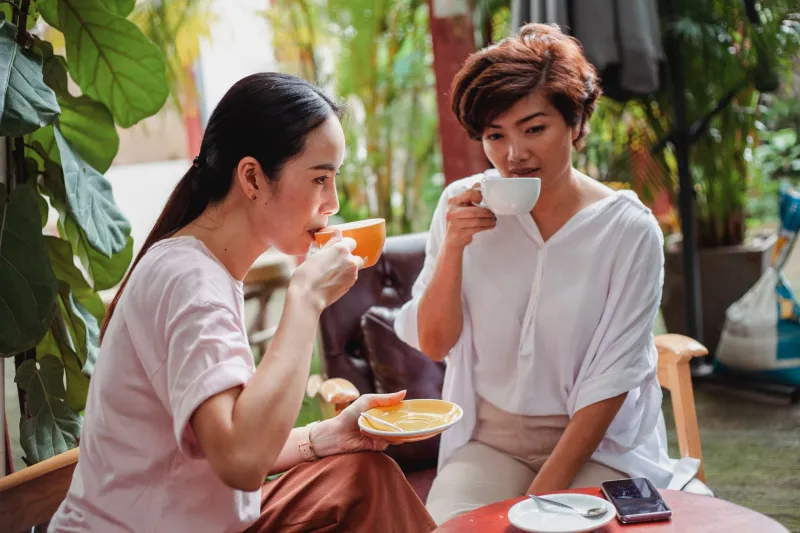
There's a specific kind of photo that lives rent-free in your brain once you've seen enough of them. Slightly grainy. Soft, warm light. Someone laughing mid-sentence, eyes not quite at the camera, coffee cup half out of frame. Caption: something lowercase, maybe a fragment. No hashtags. Definitely no location tag.
It looks completely spontaneous. It probably took forty-five minutes to get right.
This is where we've landed — a moment where the highest form of social currency is looking like you don't care about social currency. And if that sentence made your head hurt a little, you're not alone.
The Paradox Nobody Wants to Name Out Loud
Authenticity has become a full aesthetic category. There are presets for it. There are Pinterest boards dedicated to it. Influencers have built entire careers around the art of appearing like they're not trying to build a career.
And here's the thing — it's not entirely cynical. The shift away from the hyper-polished, filter-heavy content of the early 2010s made sense. People were exhausted by perfection. They wanted real. They pushed back. Brands had to get messier. Celebrities started posting blurry selfies. BeReal had a whole cultural moment.
But somewhere in that correction, "real" became a new kind of performance. The rough edges got carefully selected. The candid moments got staged. The "authentic" voice got workshopped.
Now you've got a generation of people who genuinely don't know where their actual personality ends and their personal brand begins — because those two things have been in conversation for so long, they've started to blur.
What Gen Z Is Actually Dealing With
Talk to anyone between 19 and 26 who uses social media regularly — which is basically everyone — and you'll hear some version of the same tension. They know the effortless look is manufactured. They've seen behind enough curtains to understand that the "messy bun, thrifted flannel, no plans" vibe requires just as much intentionality as a full glam shoot. And yet, they still feel the pull to participate in it.
Because opting out entirely isn't really neutral either. Not posting, not performing, not curating — that's its own statement. And in a culture that reads everything as a choice, choosing to disappear from the aesthetic conversation doesn't make you free from it. It just makes you the person who chose that.
The pressure isn't just about looking good anymore. It's about looking genuine. And that's a much harder target to hit, because genuine isn't something you can copy off someone else's grid.
The 'No-Curated' Curation Problem
Here's where it gets really interesting. The visual language of authenticity — the grainy photo, the lowercase caption, the undone hair — is now so widely adopted that it's become its own genre of curation. Which means it's no longer a reliable signal of anything.
You can't tell from the photo whether someone actually just threw that fit together or spent an hour making it look like they did. You can't tell if that journaling spread was actually how they process their thoughts or if it was staged for the aesthetic. The code is broken. The signal is noise.
And yet people keep sending it, because the alternative — being openly polished, openly trying — feels somehow more vulnerable. There's this weird cultural agreement that admitting you care is embarrassing, so everyone performs not caring, which means caring has gone underground but hasn't gone away.
When the Mask Gets Uncomfortable
The real cost of all this isn't aesthetic fatigue, though that's real too. It's relational. When everyone around you is performing a version of casual effortlessness, it gets genuinely difficult to know when you're seeing someone's actual self. And if you can't see their actual self, you can't actually connect with them.
There's a reason so many people say their most meaningful friendships happen offline, in situations where phones aren't out and nobody's thinking about how the moment reads. Because those are the spaces where the performance pressure drops. You're not composing yourself for an audience. You're just being a person in a room with another person.
That's where real connection happens. And it's hard to get there when you've trained yourself to always be at least half-thinking about how you come across.
So Is the Effortless Aesthetic Worth Chasing?
Honest answer? Probably not — at least not as a goal in itself.
There's nothing wrong with caring about how you present yourself. That's been part of human social life forever. The problem is when the presentation becomes the whole project, when the energy that could go into actually living your life gets redirected into performing the appearance of living your life.
The most interesting people online right now aren't the ones who've nailed the effortless aesthetic. They're the ones who've stopped pretending they don't have one. They post the thing they actually made, talk about the thing they actually care about, look the way they actually look on a given day — and don't spend a lot of energy managing the gap between that and some idealized version.
That's not the same as being raw or oversharing or deliberately anti-aesthetic. It's just being less strategic about the whole thing. Letting the seams show a little. Trusting that people can handle the fact that you're a person who sometimes tries.
The Actual Move
Maybe the question isn't "how do I look effortless?" Maybe it's "what would I do if I wasn't thinking about how it looks?"
Because that's the version of you that's actually interesting. Not the curated-casual one. Not the one who's spent forty-five minutes on a photo that's supposed to look like it took forty-five seconds. The one who's just out here doing the thing, posting about it because they felt like it, and not staying up at night wondering if the vibe was right.
The effortless aesthetic peaked the moment everyone figured out how to fake it. What comes next is something a lot harder to manufacture — and probably a lot more worth having.